Cameron Keller · 8 October 2026
School Programs Integrate Ridge Studies into Environmental Education Plans
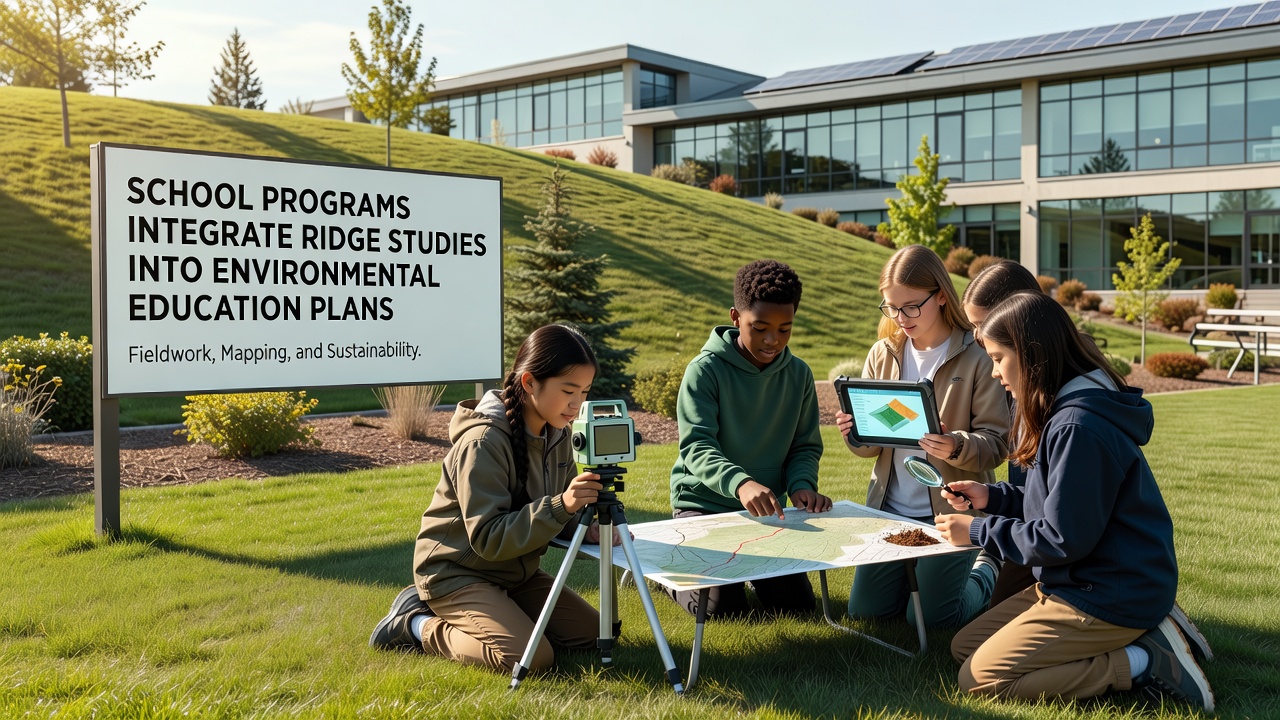
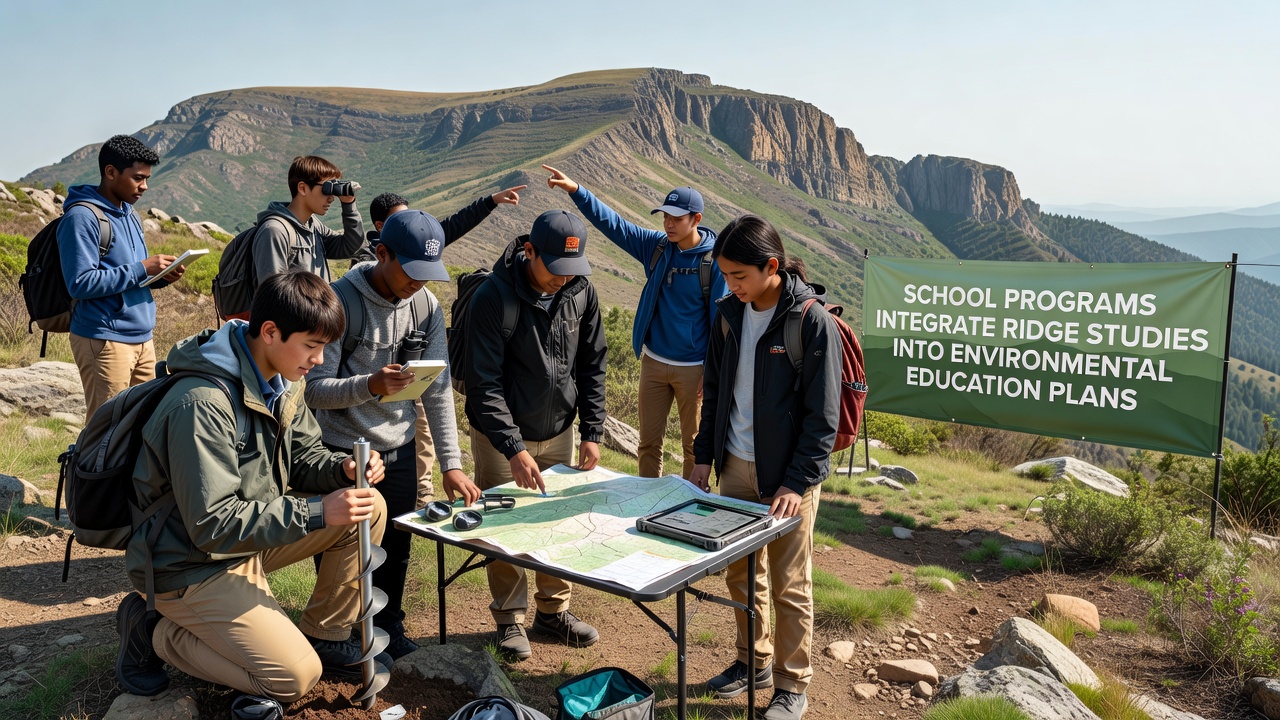
School districts across multiple regions have begun embedding studies of ridge ecosystems and geological formations into their environmental education frameworks, with programs drawing on local terrain data to illustrate concepts in ecology, climate patterns, and land management. Educators coordinate with field researchers to develop lesson modules that cover soil composition, vegetation patterns, and water flow dynamics specific to ridge landscapes, and these modules align with state-mandated science standards while providing hands-on components such as sample collection and mapping exercises.
Program Development and Curriculum Alignment
Regional education boards have updated curricula to include dedicated units on ridge environments because data from geological surveys demonstrate how such areas serve as indicators for broader environmental changes; for instance, shifts in lichen distribution and rock weathering rates offer measurable evidence of air quality trends and temperature variations. Teachers incorporate these findings through case studies that compare ridge sites with urban and lowland habitats, and students analyze datasets on erosion rates alongside precipitation records to understand watershed functions. Professional development workshops train instructors on integrating these materials, with sessions often scheduled during summer months to prepare for the academic year ahead.
Implementation Across Grade Levels
Elementary programs introduce basic concepts through guided nature walks and simple observation journals, while middle school curricula expand into quantitative analysis using tools like pH testing kits and basic GIS software. High school courses connect ridge studies to advanced topics including biodiversity indexing and carbon sequestration models, and partnerships with local conservation agencies supply real-time monitoring equipment for classroom use. One district in the Pacific Northwest reported that over 1,200 students participated in ridge-focused field trips during the 2025-2026 school year, with pre- and post-assessments showing improved retention of concepts related to habitat connectivity.
Data Sources and External Collaborations
Programs rely on publicly available reports from government agencies to ensure accuracy, and educators reference materials from the U.S. Environmental Protection Agency's environmental education resources alongside datasets maintained by Canadian provincial environmental ministries. These sources provide standardized protocols for student-led sampling, and cross-border exchanges allow classrooms to compare findings from different ridge systems. Research institutions contribute occasional guest lectures, while online portals host shared databases that track seasonal variations in ridge flora and fauna.
October 2026 Milestones and Expansion Plans
Planning documents indicate that a multi-state educator summit scheduled for October 2026 will focus on scaling ridge studies into additional districts, with sessions dedicated to adapting modules for diverse geographic contexts and incorporating new satellite imagery analysis techniques. Preliminary registration figures suggest participation from over 300 schools, and organizers expect updates to assessment rubrics based on pilot program outcomes collected through the prior year. Funding from federal grants supports equipment purchases such as portable weather stations and digital microscopes that facilitate detailed examination of rock and soil samples.
Evaluation Metrics and Long-Term Tracking
School administrators track program effectiveness through standardized test score improvements in earth science sections as well as qualitative feedback from student portfolios documenting field observations. Longitudinal studies conducted by university partners examine whether early exposure correlates with increased enrollment in environmental science electives at the postsecondary level, and initial figures reveal a measurable uptick in related course selections among participants. Community involvement components encourage families to join citizen science initiatives that extend data collection beyond school hours, creating continuous datasets that researchers can access for trend analysis.
Conclusion
Integration of ridge studies continues to evolve as new survey data becomes available and as teacher networks refine instructional approaches based on classroom results. The emphasis remains on connecting theoretical frameworks to observable local phenomena, and ongoing collaborations between schools, agencies, and research groups sustain the momentum established in recent years. These efforts position ridge environments as practical laboratories for understanding interconnected environmental systems while meeting established educational benchmarks.