Harper Beck · 10 September 2026
Lichen Specialists Catalog Rare Species Thriving on Onyx Ridge Cliffs
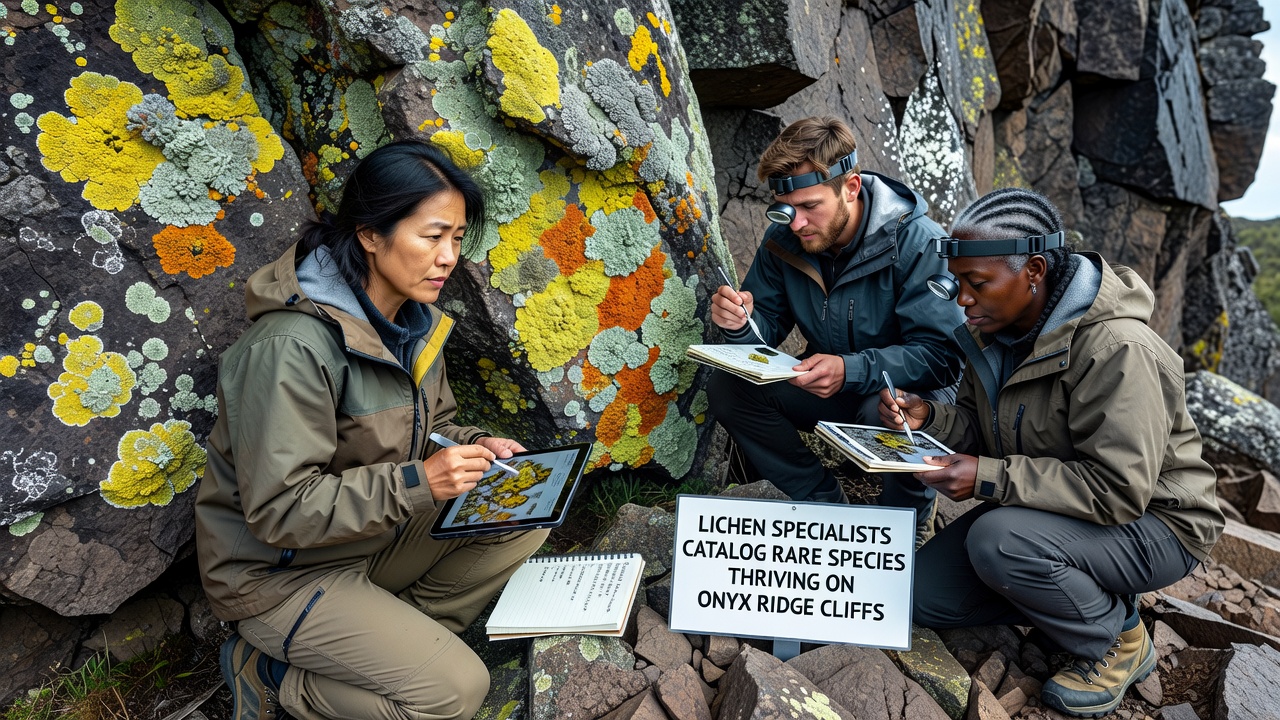
Teams of lichen specialists have conducted detailed surveys across the steep cliffs of Onyx Ridge where several uncommon species continue to establish themselves on exposed rock faces, and these efforts produced a catalog that documents growth patterns along with habitat preferences observed through repeated visits over the past decade. Field crews accessed remote ledges using ropes and harnesses while they recorded measurements of thallus size along with substrate type and moisture levels at each location.
Survey Methods and Data Collection
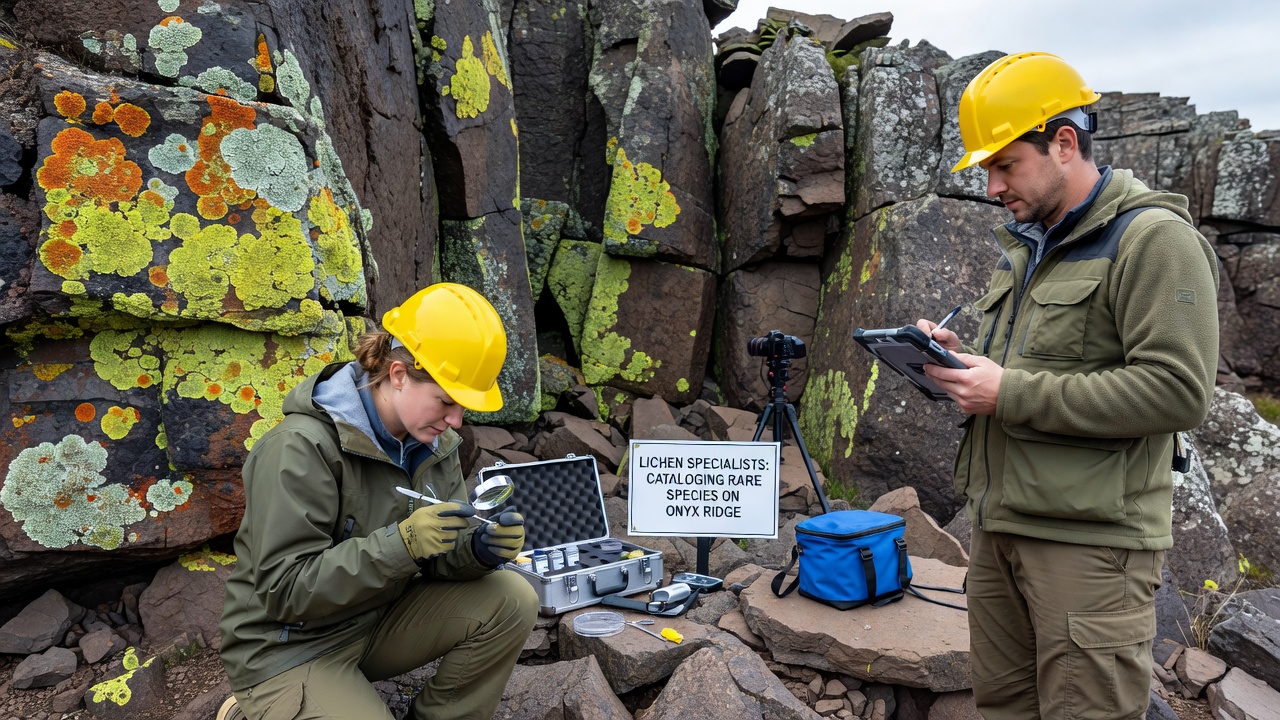
Researchers employed standardized quadrat sampling combined with photographic documentation to track changes across seasons, and they collected small voucher specimens only when necessary for microscopic analysis back in the laboratory. GPS coordinates and elevation data allowed mapping of distribution zones while environmental sensors logged temperature fluctuations and light exposure throughout the year. Data from these protocols showed consistent presence of certain species on north-facing aspects where shade and condensation provide stable conditions.
Species Identified in Recent Work
Among the entries in the catalog appear several taxa previously noted only in limited regional records including a crustose form with distinctive orange pigmentation and a foliose type that adheres tightly to quartzite surfaces. Observers noted that these organisms tolerate high wind exposure and periodic desiccation because their symbiotic algae and fungi partnership allows efficient water retention during dry intervals. Additional species documented include ones with green-gray coloring that expand slowly across mineral-rich patches where bird droppings supply occasional nutrients.
September 2026 Field Updates
During September 2026 additional transects were completed along the upper escarpment after earlier spring rains had stimulated visible growth, and teams confirmed expansion of at least three cataloged populations compared with measurements taken five years prior. Equipment upgrades including portable microscopes enabled on-site verification of reproductive structures which reduced the need for transport of samples. Results from this round of work appear in supplementary reports that integrate prior datasets for trend analysis.
One study revealed connections between lichen coverage and microtopography where crevices retain fine soil particles that support colonization, and similar patterns have been reported by researchers working on comparable cliff systems in other mountain ranges. Experts referenced work published through Environment and Climate Change Canada when discussing comparable elevation gradients and species responses to temperature shifts.
Habitat Characteristics and Distribution
Cliff sections at Onyx Ridge feature vertical faces interspersed with horizontal ledges that collect windblown debris, creating pockets where lichens establish after spores or fragments arrive via air currents or animal activity. Soil chemistry tests indicated slightly alkaline conditions on many surfaces which favor certain calcicolous species over acid-tolerant ones found elsewhere in the region. Distribution maps produced from the surveys highlight clusters along fracture lines where water seepage occurs during wet periods and supports metabolic activity.
Additional observations included interactions with other organisms such as mosses that occupy adjacent patches and occasionally overgrow slower lichen colonies, and these dynamics help explain localized variations in abundance. Data collected over multiple years allows comparison with baseline records from earlier surveys conducted before recent climate monitoring began.
Integration with Broader Research
Findings from Onyx Ridge contribute to national biodiversity inventories maintained by agencies such as the U.S. Geological Survey where lichen records help track ecosystem health indicators across public lands. Specialists cross-referenced their catalog entries with databases maintained by research institutions in Australia to identify potential matches with taxa documented on similar geological formations in arid zones. This approach supports wider understanding of how these organisms respond to shared environmental pressures including ultraviolet exposure and nutrient scarcity.
Continued monitoring scheduled for subsequent seasons will build on the existing dataset, and integration of remote sensing imagery may expand coverage beyond ground-accessible areas. Reports generated from the project remain available through institutional repositories for use by other investigators studying saxicolous communities.
Conclusion
The catalog compiled by lichen specialists provides a baseline record of species presence and distribution on Onyx Ridge cliffs that supports future comparisons as conditions change. Systematic documentation combined with laboratory verification has clarified habitat requirements for several rare forms while placing local observations within broader ecological contexts drawn from multiple geographic sources. Ongoing work continues to refine these records through additional field seasons and data sharing among research networks.